

It was only after a severe attack and a stay in the Intensive Care Unit (ICU) that Lauren’s metabolic disorder was identified as Acute Intermittent Porphyria (AIP).
Lauren, now 43, had unknowingly lived with the condition – which can cause nausea, abdominal pain, fatigue and seizures – for her entire life, dealing with “attacks” but doctors unable to pinpoint exactly why.
“Since my 20s I did every test under the absolute sun,” Lauren recalls.
“I remember seeing a neurologist – they thought I had Multiple Sclerosis. I was diagnosed with irritable bowel syndrome and saw another neurologist for headaches. I went down every possible path before getting my diagnosis.”
When she was 39, Lauren was undergoing gallbladder surgery at another Melbourne hospital when she experienced a severe attack.
“I didn't know what was going on,” she says.
“I had a big seizure, and I was not with it. I had hallucinations and pain for months.”
It was then that tests were sent to the Royal Melbourne Hospital (RMH) laboratory, revealing her AIP diagnosis. The RMH is home to Australia’s only multidisciplinary clinic treating porphyria and is the only hospital in the country to be awarded the status of Expert Clinical Centre by the International Porphyria Network.
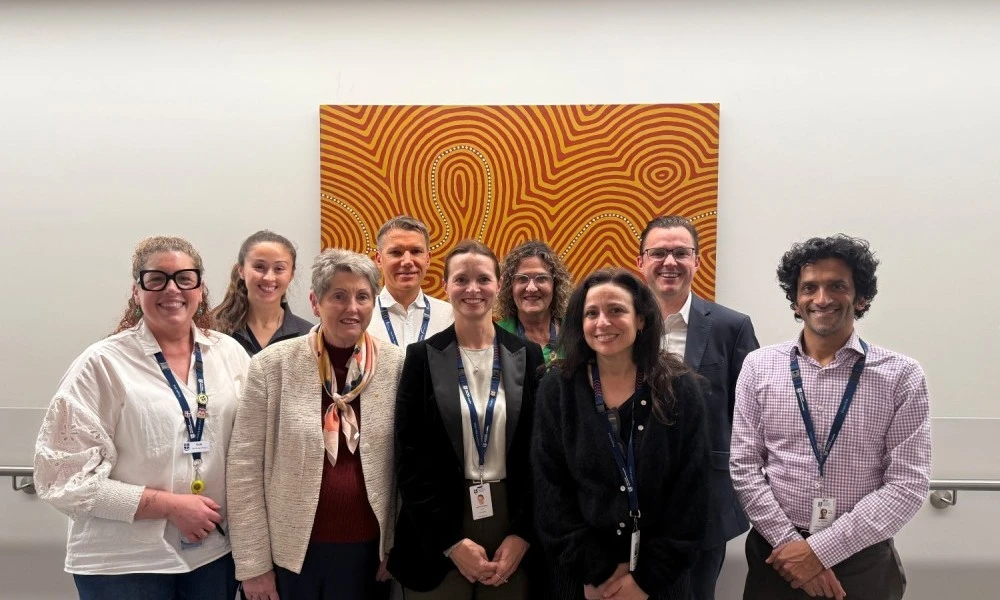
Porphyria is a group of eight rare, largely inherited, metabolic conditions that affect the nervous system.It is often called the “vampire disease” or the “bubble boy syndrome”, due to its painful impacts on everyday life and skin reactions from sunlight.
“Broadly patients can experience symptoms including severe abdominal pain, nausea, vomiting, headaches, nerve damage, seizures and occasionally it can be fatal,” Associate Professor Gayle Ross, Head of Dermatology Research at the RMH, says.
“When visible light hits the skin, they cause damage, ranging from extreme pain (in erythropoietic protoporphyria, EPP), to blistering and fragile skin that is slow to heal.”
Lauren describes the moment she was referred to the RMH Porphyria Expert Centre as “life-changing”.
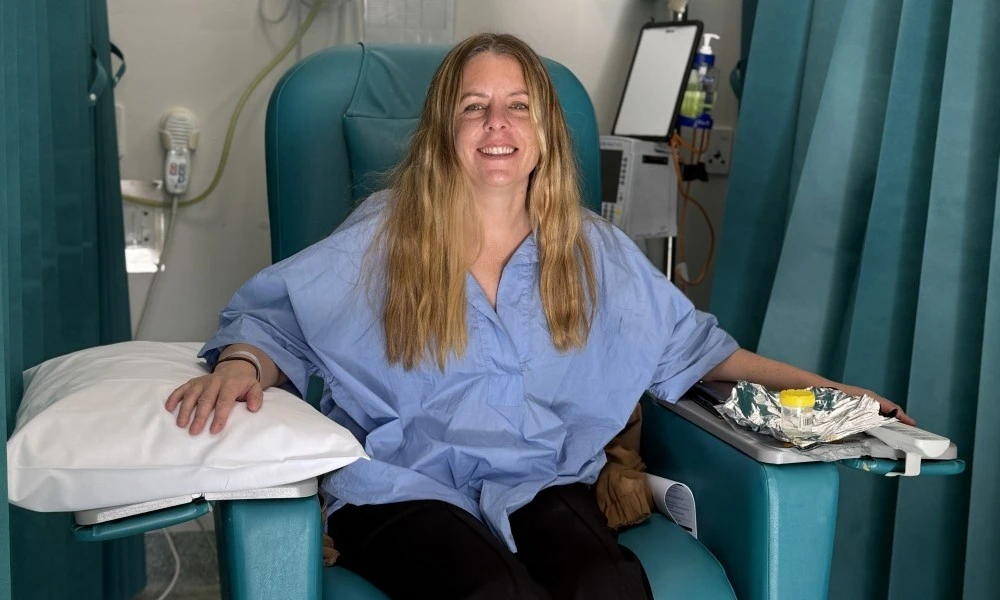
“Since starting to manage my AIP symptoms, I'm gradually doing more and more in life,” she says.
“I've got two kids; I’m being a full-time productive parent and I am able to do more like help my partner and his business as time goes on.”
Research trials at the RMH have been underway for the last four years to demonstrate the effectiveness of new treatment for people with specific types of porphyria.
The aim is to reduce the painful sun sensitivity and allow patients to spend longer in the sun without symptoms.
“Our patients on this trial are reporting dramatic improvements in their quality of life,” A/Prof Ross says.
For Lauren, similar trials have meant she now has the opportunity to start a new treatment, which lowers porphyrin levels and prevents acute attacks, as well as improving symptoms like pain, nausea and fatigue.
The medication was previously tested in research trials at the RMH between 2017 and 2021.
A/Prof Gayle Ross said: “We were very excited to be part of this trial – this is the first treatment to keep the porphyrin levels down through specific targeting of the ALA synthase enzyme. It has proved to be very effective and have a good safety profile. We are thrilled that our patients will be able to access this life-changing treatment.”
Lauren shared her excitement for starting her treatment at the RMH and the hope it brings for the future of porphyria treatment.
“It's like elation; I'm so excited,” she says.
“I have nieces and nephews who have since tested positive for porphyria, so it is amazing to know that [the treatment] is there for them in the event that they need it.”
We provide a media service from 6am to 9pm each day. Journalists are welcome to contact our media adviser on-call via the RMH Switchboard on (03) 9342 7000.
During business hours, journalists can email mh-communications@mh.org.au. We do not respond to emails outside business hours.