

This study is testing whether an investigational medicine called BI 764198 can help protect kidney function in people with focal segmental glomerulosclerosis (FSGS), a rare kidney disease.
Focal segmental glomerulosclerosis (FSGS) is a kidney disease that can damage the kidney's filtering units and cause protein to leak into the urine. Over time, this may lead to worsening kidney function.
This study is investigating whether a new medicine called BI 764198 can help people with primary FSGS or FSGS related to certain genetic changes. Participants will continue receiving their usual treatment and will be randomly assigned to receive either BI 764198 or a placebo. Neither participants nor study doctors will know which treatment has been assigned during the study. Researchers will compare the two groups to see whether BI 764198 can reduce protein in the urine and help protect kidney function.
Anticipated enrolment closing date: 01 March 2027
Who can take part
You may be eligible to participate if you:
- have been diagnosed with focal segmental glomerulosclerosis (FSGS)
- are an adult
- are receiving standard treatment for their kidney disease
- are willing to attend study visits and complete study procedures
You may not be eligible to participate if you:
- are unable to safely participate in the study based on screening tests
- are taking part in another clinical trial
- are pregnant or breastfeeding
What's involved for you
Participants will be involved in the study for approximately 2 years and will:
- attend around 12 study visits and receive 3 study phone calls
- take either BI 764198 or placebo as a tablet once daily
- continue their usual treatment for FSGS
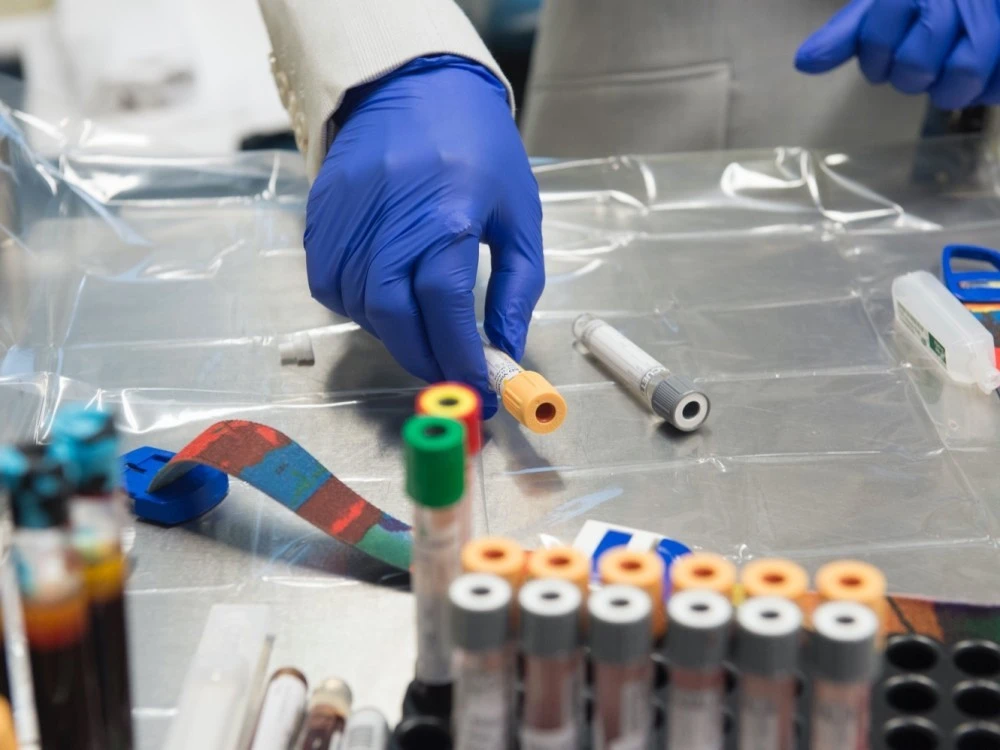
- provide regular blood and urine samples to monitor kidney health and study treatment effects
- complete 24-hour urine collections at selected visits
- have routine health checks such as weight, blood pressure, physical examinations and heart tracing (ECG) tests
- complete questionnaires about their health and wellbeing
- attend eye examinations during the study
- attend a final follow-up visit and phone call after treatment finishes
Ethics
All research in Australia involving human participants is reviewed by an independent group called a Human Research Ethics Committee (HREC). The ethical aspects of this research study have been approved by an Australian registered and certified HREC.
This study is being carried out according to the National Statement on Ethical Conduct in Human Research (2025). This statement protects the interests of people who agree to participate in human research studies.