

The purpose of this study is to compare a potential new treatment with improved side effects compared to current therapies in people living with Graves’ Disease.
Graves' disease is an autoimmune condition which increases the production of thyroid hormones. This is an open-label research project where participants will receive a new medication for the treatment of Graves’ Disease. Current treatments have drawbacks and can be burdensome for patients. The purpose of the research is to assess the safety, tolerability (if any side effects occur), and efficacy (how effective is the medicine) of multiple doses of treatment.
Anticipated enrolment close date: 31 May 2026
Who can take part
You may be eligible to participate in this research project if you:
- Are 18-65 years of age
- Have been formally diagnosed with Graves’ Disease, AND
- Are able and willing to take part in the study for up to 30 weeks
You may be ineligible to participate in this research project if you:
- Are currently not on stable doses of medication for your Graves’ Disease treatment
- Have history of major cardiovascular, liver or eye disease
What's involved
- Participants will receive a new medication for the treatment of Graves’ Disease in the form of an injection once weekly for 12 weeks with an additional 12 week follow up period;
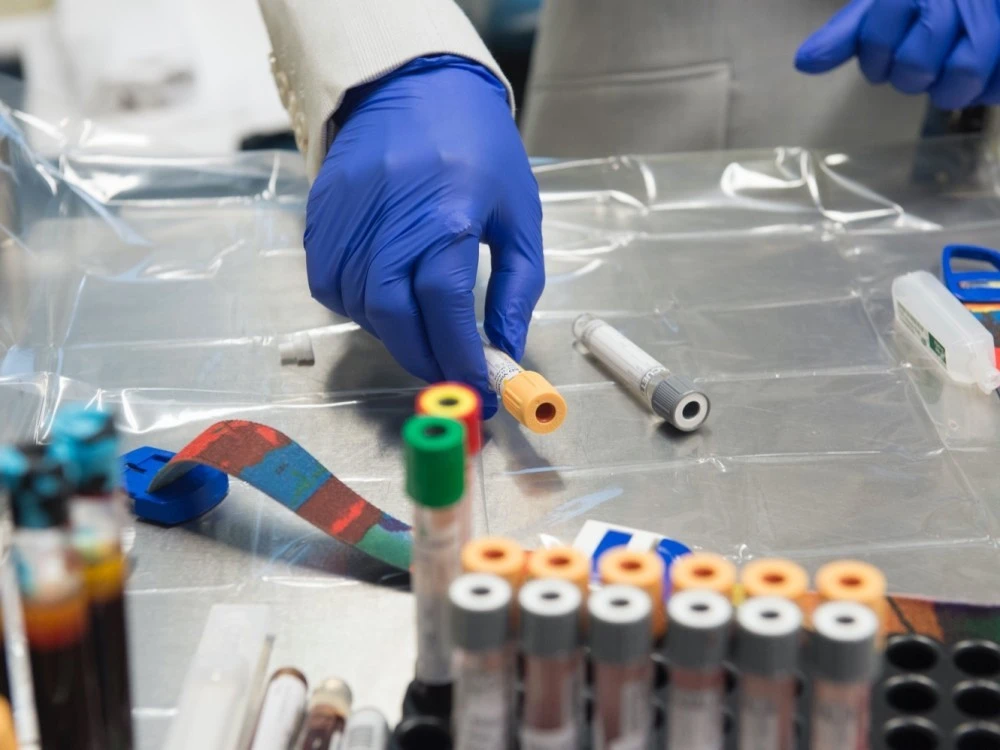
- Visits will involve collection of blood and urine, as well as medical assessment by the study team;
- Other tests will include ECG, blood pressure, weight, eye examination, and surveys.
Ethics
All research in Australia involving human participants is reviewed by an independent group called a Human Research Ethics Committee (HREC). The ethical aspects of this research study have been approved by an Australian registered and certified HREC.
This study is being carried out according to the National Statement on Ethical Conduct in Human Research (2025). This statement protects the interests of people who agree to participate in human research studies.