

This research study aims to get more information on how a weekly insulin (insulin icodec) helps in reducing blood sugar compared to insulin glargine, an insulin taken once daily, in adults with type 1 diabetes, who are also taking a mealtime insulin (insulin aspart).
This research study will mainly look at how well insulin icodec lowers the blood sugar to a normal level, how long the blood sugar stays within a normal level when taking insulin icodec and what people think about their insulin treatment.
This is a randomised, open label research project where participants will receive either once-weekly insulin icodec or once-daily insulin glargine, both in combination with daily insulin aspart for 26 weeks.
Anticipated enrolment close date: 13 April 2026
Who can take part
You may be eligible to participate in this research project if you:
- Are 18 years of age or older;
- Have a Type 1 diabetes;
- Have a HbA1c level of between 7-10%, and
- Have been taking multiple daily insulin as part of your regular treatment for at least 6 months.
You may be ineligible to participate in this research project if you:
- Have recurrent severe hypoglycaemic (low blood sugar) episodes
What's involved
- Participants will receive either once-weekly insulin icodec or once-daily insulin glargine, both in combination with daily insulin aspart for 26 weeks.
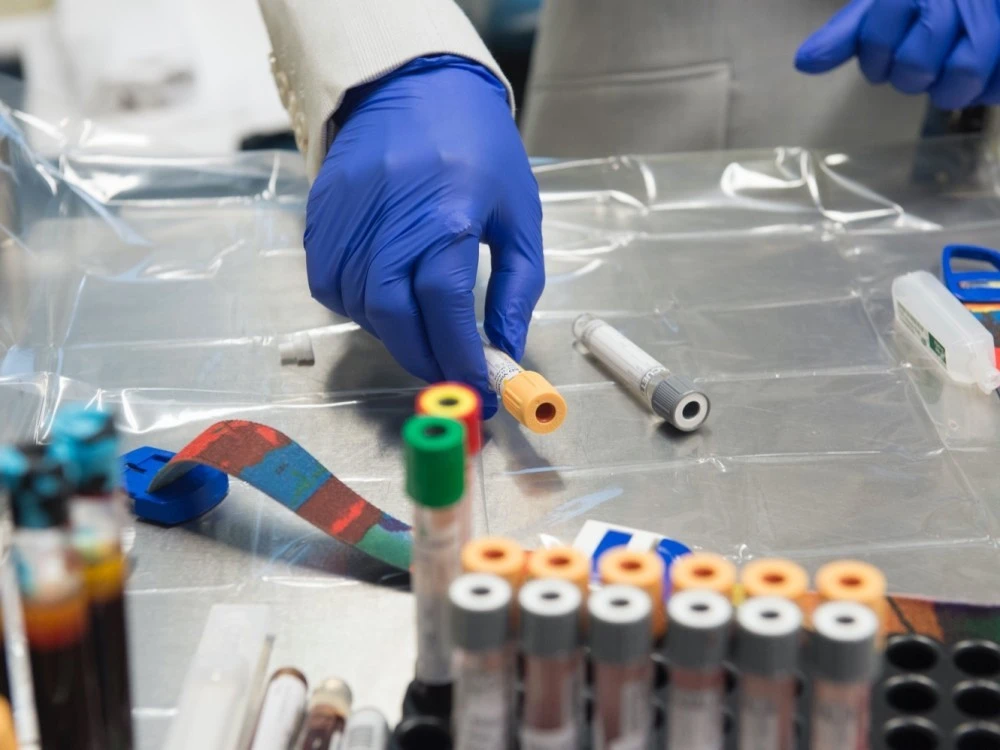
- Visits will involve collection of blood and urine, as well as medical assessment by the study team.
- Other tests will include ECG, blood pressure, weight, eye examination, and surveys.
Ethics
All research in Australia involving human participants is reviewed by an independent group called a Human Research Ethics Committee (HREC). The ethical aspects of this research study have been approved by an Australian registered and certified HREC.
This study is being carried out according to the National Statement on Ethical Conduct in Human Research (2025). This statement protects the interests of people who agree to participate in human research studies.