
Optimised Transcranial Magnetic Stimulation (OptiTMS) trial for the treatment of depression investigates whether personalised brain stimulation targeting can improve outcomes for people with major depressive disorder.
About the study
Depression affects millions of people worldwide, yet many patients still do not respond to available treatments. Transcranial magnetic stimulation (TMS) is an important non-medication treatment option, but its effectiveness varies from person to person. This may be due to where exactly the brain is being targeted during treatment.
The Optimised Transcranial Magnetic Stimulation (OptiTMS) trial aims to improve TMS outcomes by using a brain scan to identify brain circuitry related to depression and then precisely target this circuitry using TMS. This personalised and neurobiologically guided approach differs from conventional TMS therapy where the stimulation target is simply guided by external head-based measurements.
Initial studies provide promising preliminary support for the clinical efficacy of this approach, which will now be compared with conventional targeting in a multisite NHMRC-funded clinical trial led by A/Prof Robin Cash (University of Melbourne).
Anticipated enrolment close date: May 2029
Who can take part
This trial might be right for you if you:
- Are 18 – 65 years old
- Currently have a diagnosis of major depressive episode
- Are able to provide written informed consent (including adequate intellectual capacity and fluency in the English language)
- Do not have contraindications to Magnetic Resonance Imaging (MRI)
- Do not have a psychotic or substance use disorder
Please note that other eligibility criteria also apply.
To check your eligibility, please complete OptiTMS trial pre-screening survey or contact the team by email: tms-clinical-trial@unimelb.edu.au
What's involved
Participants undergo:
- Brain imaging (MRI) to map functional connectivity
- Personalised TMS targeting based on their brain networks
- A course of therapeutic stimulation sessions (20 treatments over 4 weeks)
- Clinical and cognitive assessments
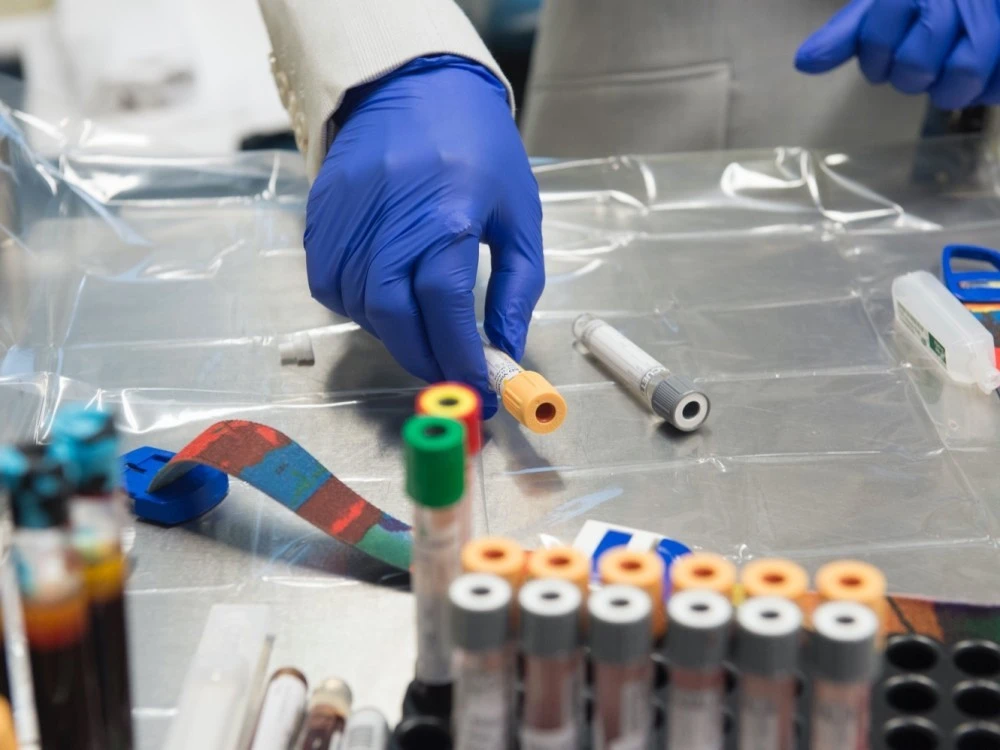
- Blood tests (optional)
Ethics
All research in Australia involving human participants is reviewed by an independent group called a Human Research Ethics Committee (HREC). The ethical aspects of this research study have been approved by an Australian registered and certified HREC.
This study is being carried out according to the National Statement on Ethical Conduct in Human Research (2025). This statement protects the interests of people who agree to participate in human research studies.